
Picking the wrong telescope wastes money and kills the excitement of stargazing before it even starts.
Understanding the main types of telescopes helps you match your gear to your budget, your goals, and how you’ll actually use it.
This guide breaks down each type so you can buy with confidence.
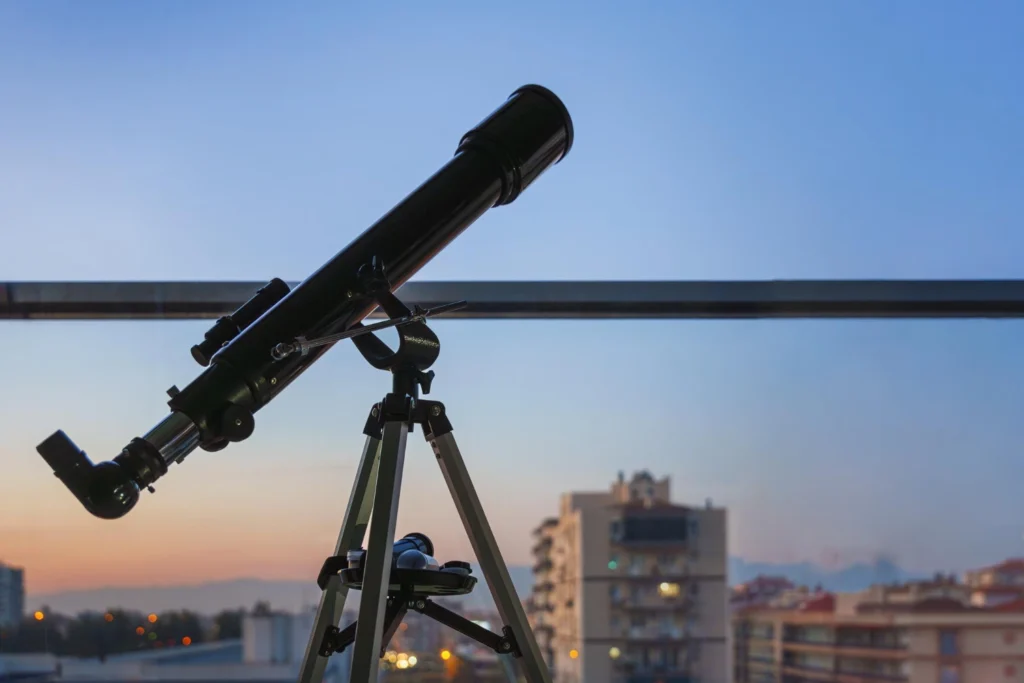
The Three Main Types of Telescopes
Nearly every telescope on the market falls into one of three optical designs.
Each type of telescope handles light differently, and that difference shapes cost, image quality, and portability.
Refractor Telescopes
Refractors use a glass lens at the front to bend and focus light toward your eye.
They’re low-maintenance and deliver sharp, high-contrast views, which makes them a strong choice if you mostly observe the Moon and planets.
Reflector Telescopes
Reflectors use a curved mirror instead of a lens to gather light, which lets you get more aperture for your money.
They’re the go-to choice if you want to see fainter deep-sky objects like galaxies and nebulae.
Compound Telescopes
Compound, or catadioptric, telescopes combine lenses and mirrors to pack strong performance into a compact tube.
They cost more than a comparable refractor or reflector, but they offer versatility for both planetary and deep-sky viewing.
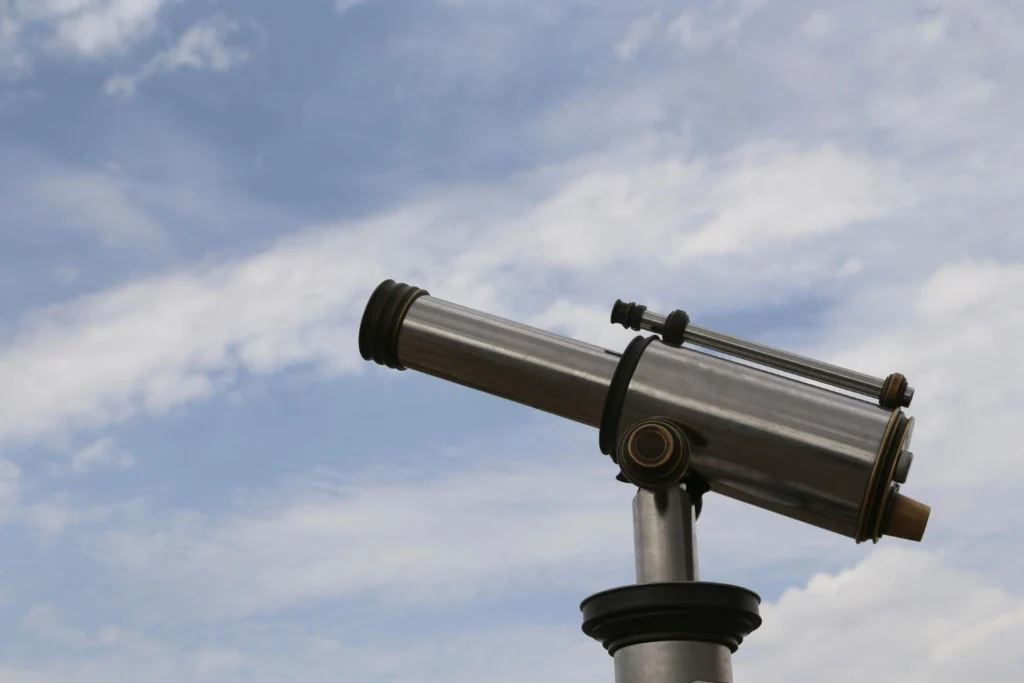
Choosing the Right Telescope for You
The best telescope isn’t the most powerful one. It’s the one you’ll actually set up and use.
Your target objects, budget, and storage space should all shape your final decision more than raw magnification numbers.
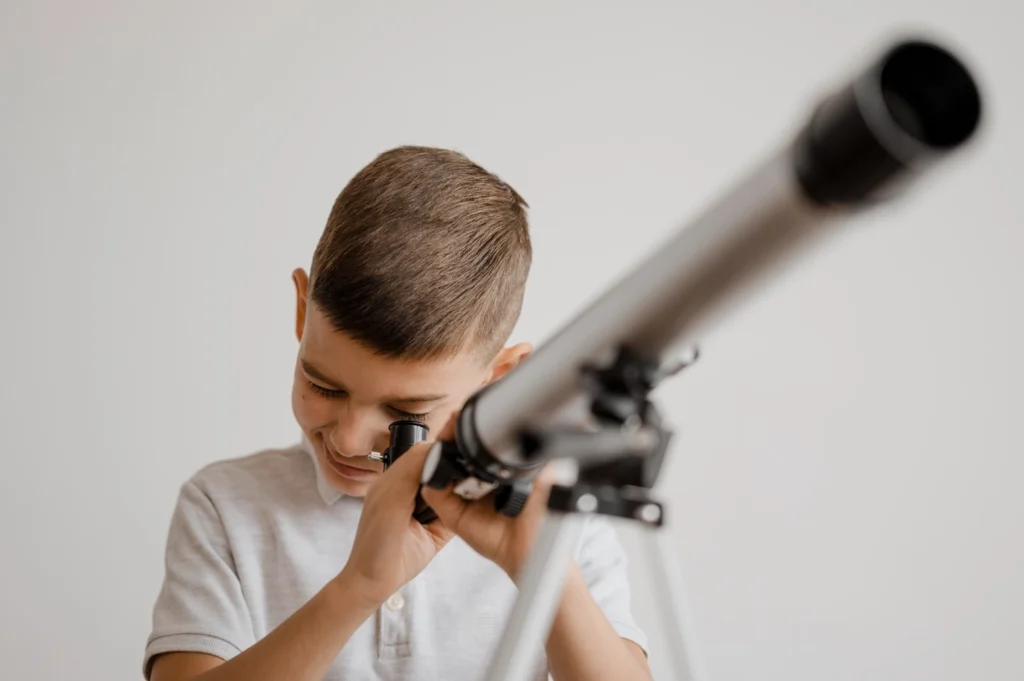
Telescopes for Beginners
If you’re new to astronomy, look for a simple, sturdy refractor or a small tabletop reflector with an easy mount.
Complicated setups discourage regular use, and a telescope left in a closet teaches you nothing about the sky.
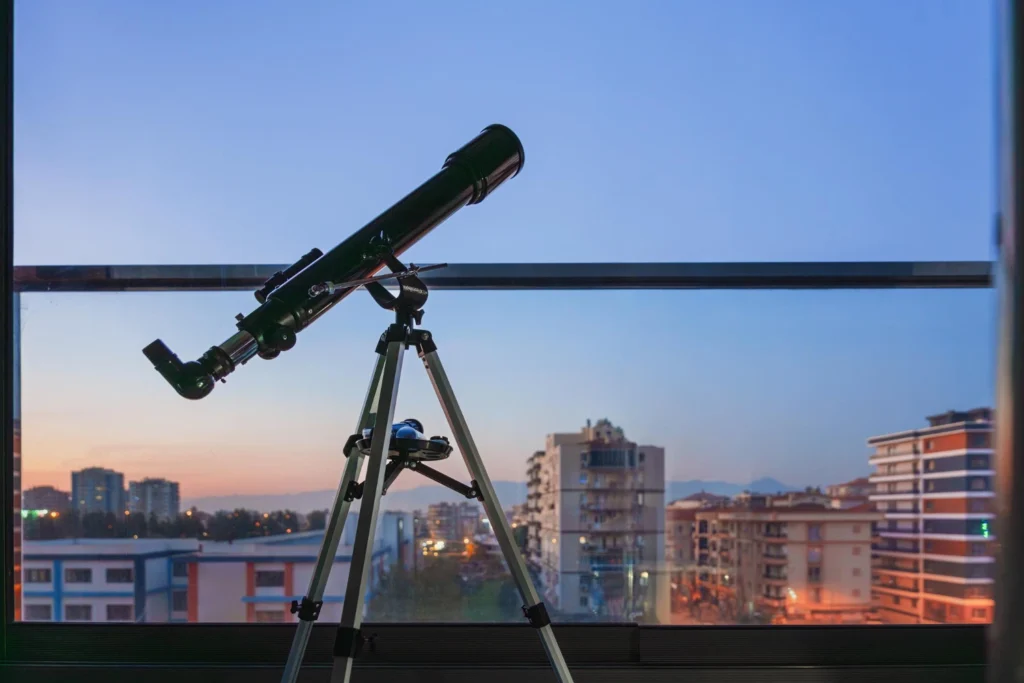
Telescopes for Deep-Sky Viewing
If galaxies, star clusters, and nebulae are your goal, prioritize aperture over brand name or added features.
A larger reflector, even a budget one, will show you more detail than a small, expensive refractor.
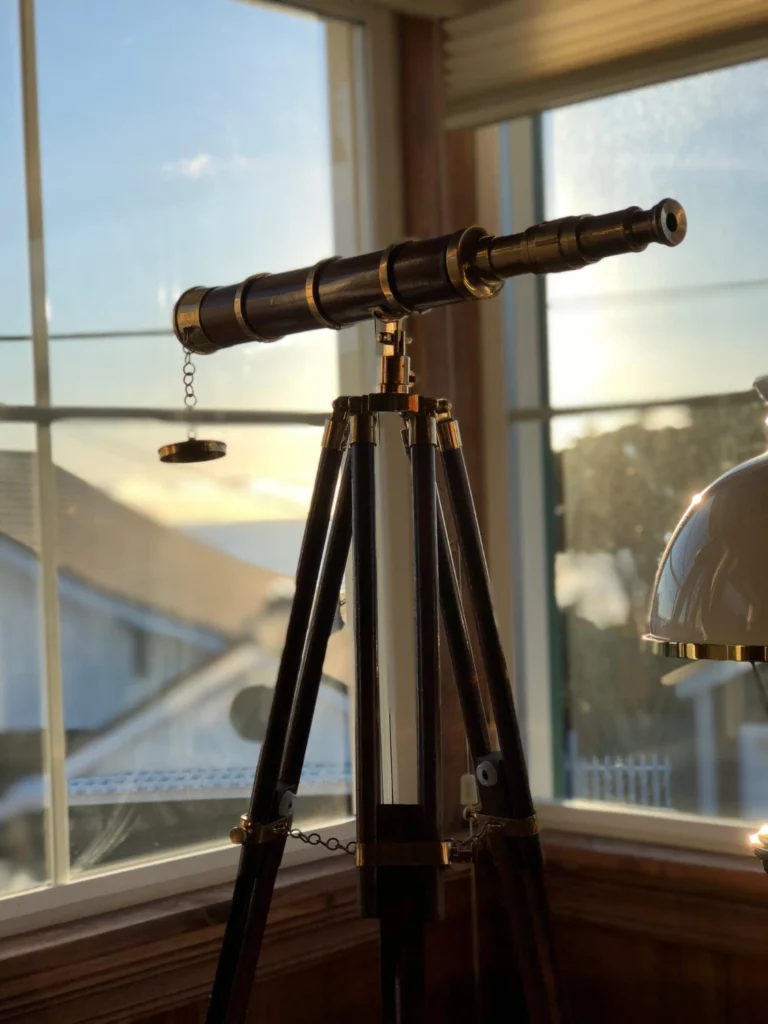
Telescope Buying Considerations Beyond Type
Type isn’t the only factor that determines whether a telescope earns its price tag.
Mount Stability
A shaky mount ruins views no matter how good the optics are, so check mount quality before you check magnification claims.
Portability and Storage
Consider where you’ll store your telescope and how far you’ll need to carry it to reach a dark sky.
A telescope that’s too heavy or bulky to move often gets used far less than one that’s easy to grab and go.
Once you’ve picked your telescope, revisit this site’s astronomy for beginners guide to plan your first real observing session.