
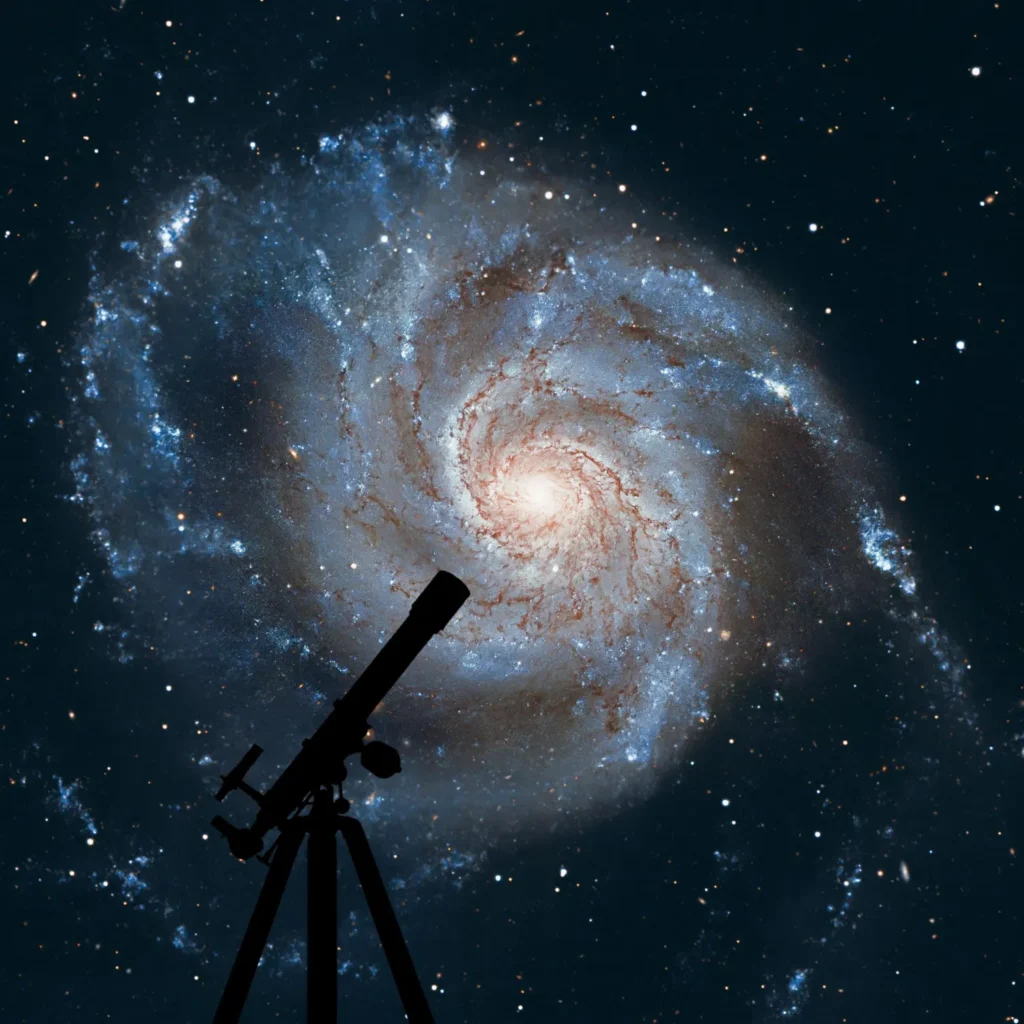
Every fact you know about space traces back to a famous astronomer who looked up and refused to accept easy answers.
Some worked with nothing but their eyes and patience. Others built instruments that let humanity see farther than ever before.
Here’s a clear look at the figures who shaped astronomy into the science you study today.
Astronomers Who Built the Foundations
Before satellites and space telescopes, early astronomers mapped the sky using observation, geometry, and years of patient tracking.
Their work still underpins the tools and formulas modern astronomy relies on.
You can trace a direct line from their notebooks to the star charts and apps you use now.
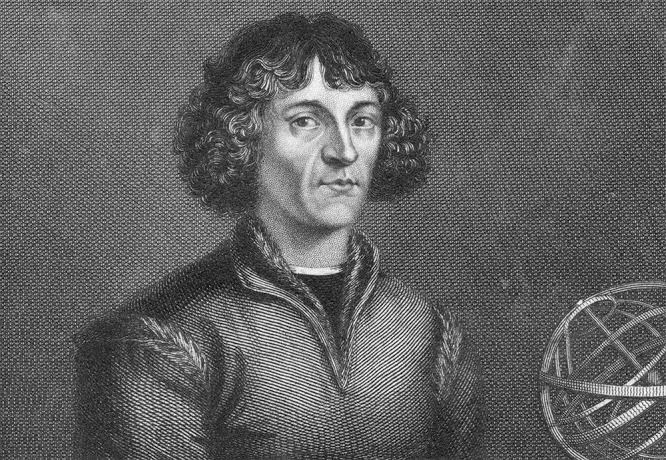
Nicolaus Copernicus
Copernicus proposed that the Sun, not the Earth, sat at the center of the solar system.
His model faced fierce resistance, but it eventually replaced centuries of accepted belief.
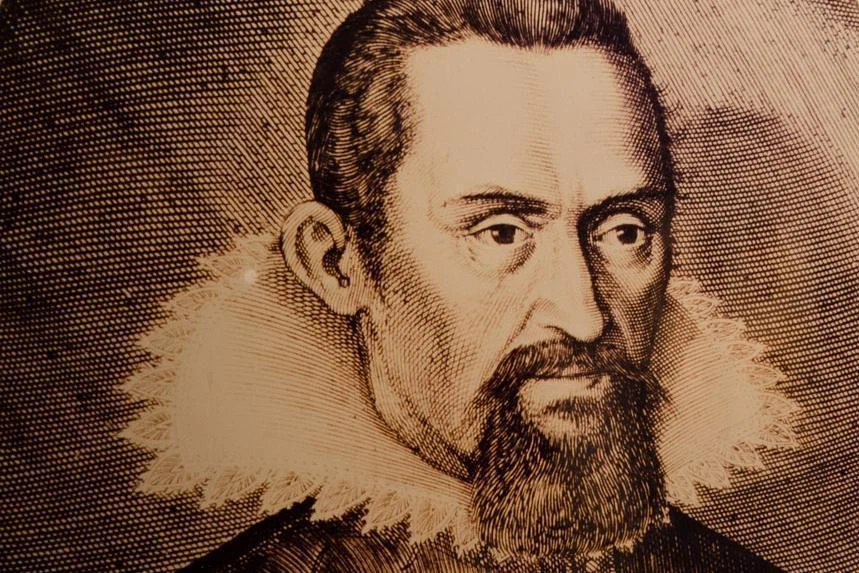
Johannes Kepler
Kepler used Tycho Brahe’s observational data to describe how planets actually move, in ellipses rather than perfect circles.
His three laws of planetary motion still guide how you calculate orbits today.
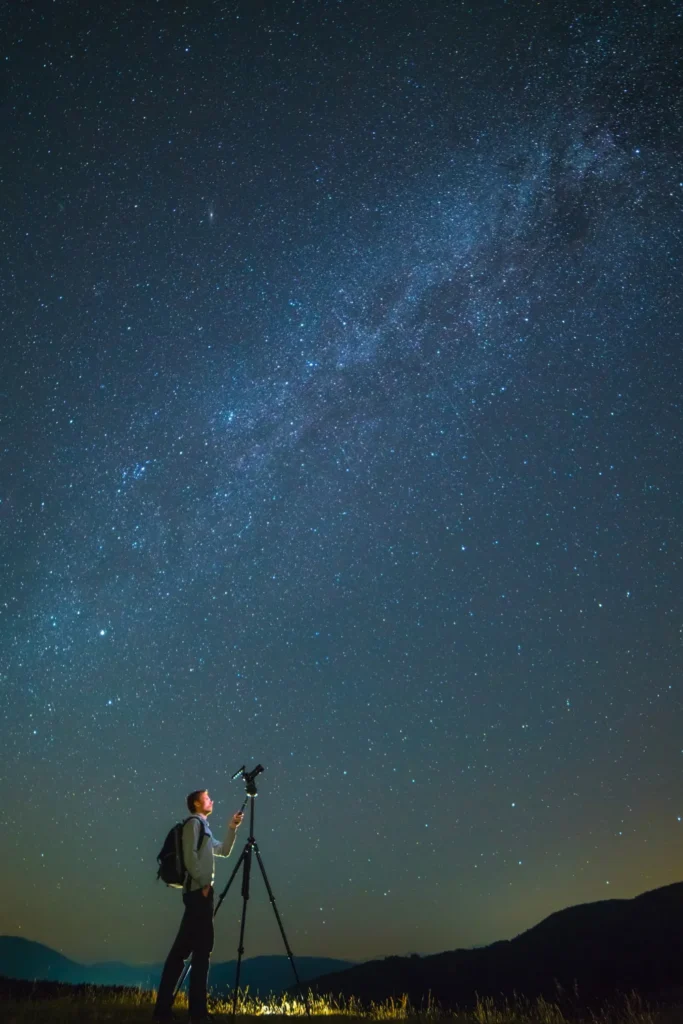
Astronomers Who Redefined the Modern Era
Later astronomers took the foundations built by their predecessors and pushed them into new territory using better instruments and bolder questions.
Their discoveries expanded the known universe from a single solar system to billions of galaxies.
Edwin Hubble
Hubble proved that galaxies exist beyond the Milky Way and that the universe is expanding.
His name now belongs to the space telescope that continues his work from orbit.
Caroline Herschel
Herschel discovered multiple comets and became the first woman to receive a salary for scientific work, opening the field to generations of women astronomers.
Carl Sagan
Sagan brought astronomy to a general audience through books and television, making complex ideas about the cosmos accessible to people with no scientific background.
His communication style still influences how astronomy gets taught and shared today.
Why These Astronomers Still Matter
You benefit from these astronomers every time you check a star map, plan a stargazing session, or read about a new exoplanet discovery.
Their questions became your answers, and their answers became the questions astronomers ask now.
Studying their work gives you a shortcut to understanding centuries of progress in a single sitting.
If you want to go deeper, this site’s guide to astronomy for beginners builds directly on the ideas these astronomers pioneered.