
Galileo Galilei and the Telescope That Changed Astronomy
Galileo Galilei pointed a handmade telescope at the night sky in 1609 and rewrote everything people believed about the universe.
Four centuries later, his discoveries still shape how you study space today.
This site exists because astronomy shouldn’t feel locked behind jargon and complicated math. You’ll find plain, practical guides on telescopes, famous astronomers, cosmic history, and the basics you need to start observing with confidence.
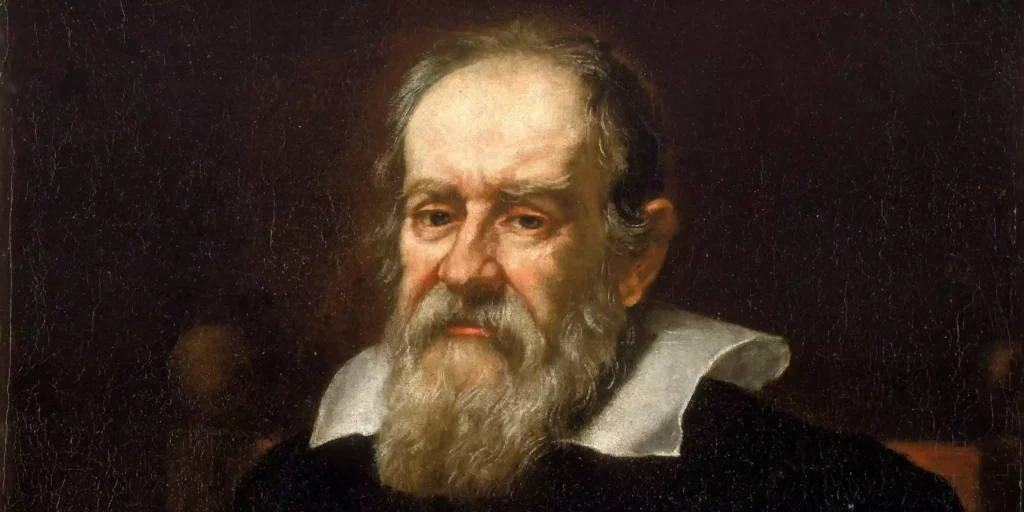
Who Was Galileo Galilei
Galileo Galilei was an Italian scientist whose observations laid the foundation for modern astronomy as you know it.
Early Life and Education
Born in Pisa in 1564, Galileo trained in mathematics and natural philosophy at a time when most scholars still accepted ancient Greek models of the cosmos without question.
He questioned them anyway, and that habit defined his entire career.
The Telescope and His Discoveries
Galileo did not invent the telescope, but he improved it and turned it toward the sky when almost no one else had.
Through his lens, he found four moons circling Jupiter, mountains on Earth’s Moon, and phases on Venus that only made sense if planets orbited the Sun.
Conflict With the Church
Galileo’s evidence for a Sun-centered solar system put him at odds with religious authorities of his time.
He faced trial, house arrest, and forced recantation, yet his data outlived every objection raised against it.
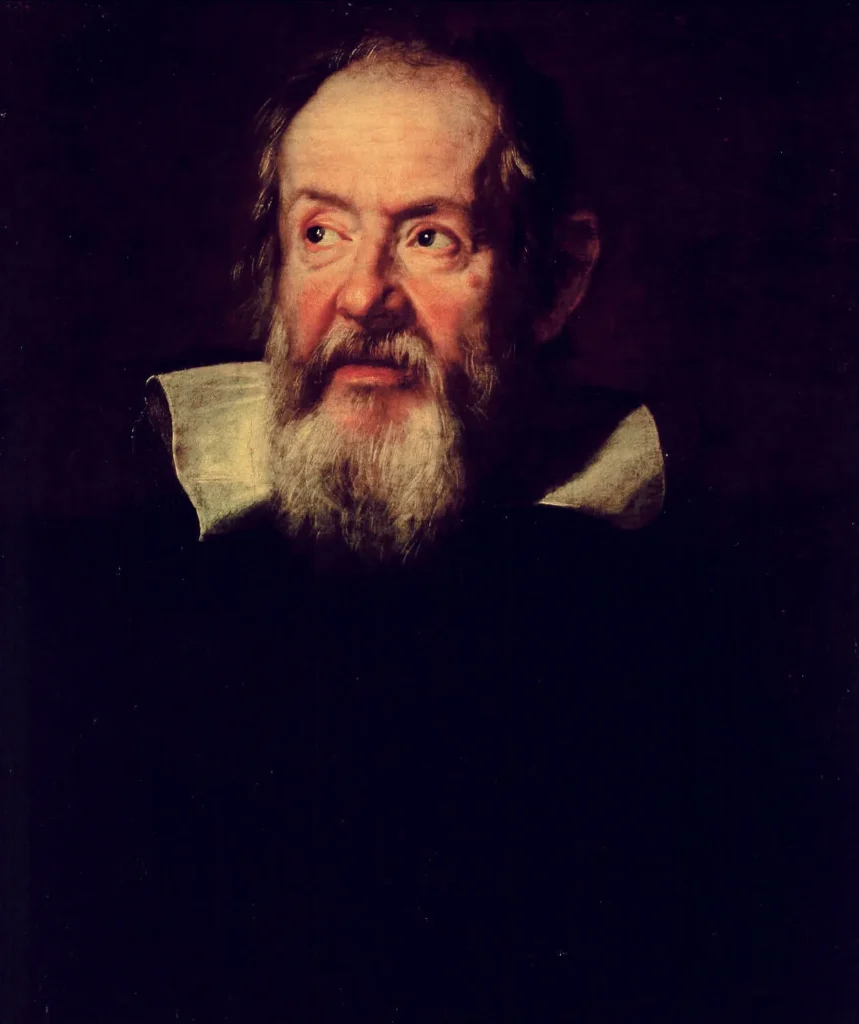
Galileo’s Legacy in Modern Astronomy
Every telescope you look through today, from a department-store model to a research observatory, descends from the design principles Galileo Galilei refined.
His method mattered as much as his instruments. He tested ideas against direct observation instead of accepting tradition.
That approach became the backbone of the scientific method you rely on in every field of science, not just astronomy.
When you read about exoplanets, black holes, or the age of the universe, you’re reading the results of a tradition Galileo started.
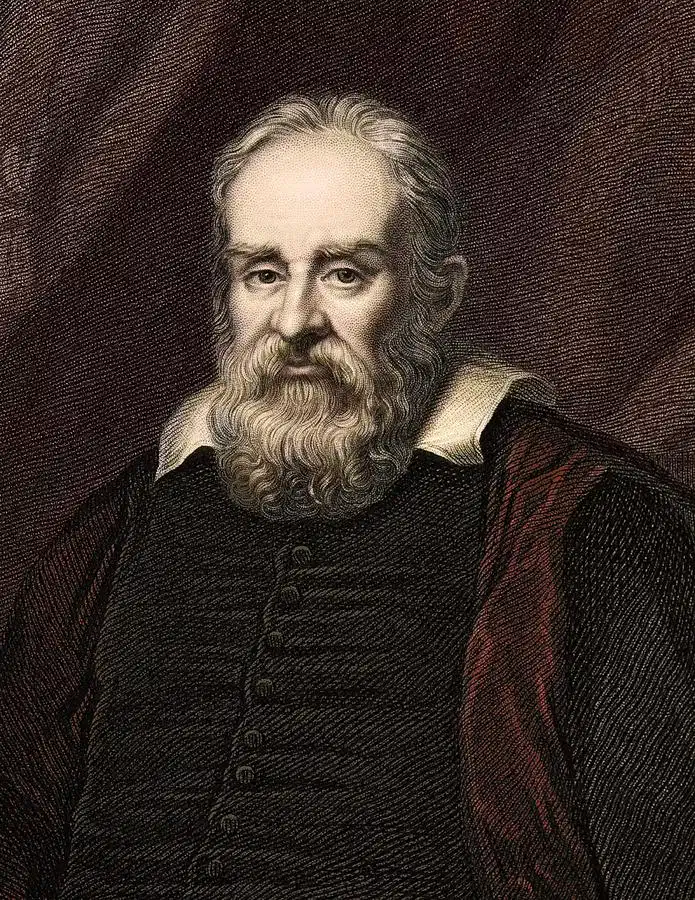
Why Galileo Still Matters to You
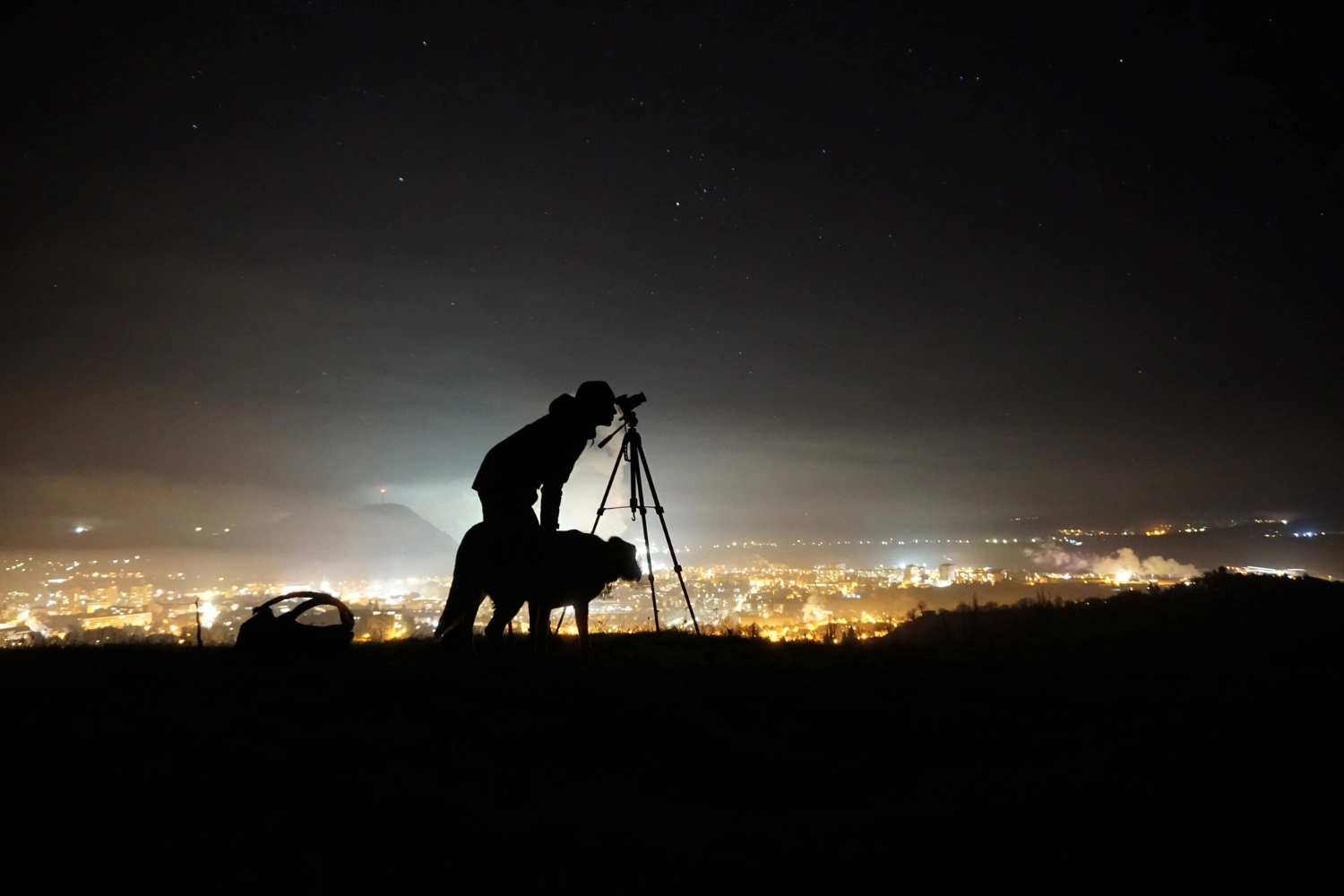
You don’t need a research budget to follow in Galileo’s footsteps.
A basic telescope from your backyard can show you craters on the Moon, the rings of Saturn, and the same moons of Jupiter that convinced Galileo the Earth wasn’t the center of everything.
His story also proves something useful: you don’t need permission to look up and ask questions.
Curiosity, a clear night, and a bit of patience are still the only requirements for discovering something new about the sky.
Explore More Astronomy Topics
Galileo’s story is just the starting point. This site covers everything you need to build real astronomy knowledge from the ground up.
Meet More Famous Astronomers
Galileo wasn’t alone. Read about the astronomers before and after him who shaped what you know about space.

Learn Astronomy for Beginners
New to the night sky? Start with a clear, no-jargon guide built for absolute beginners.
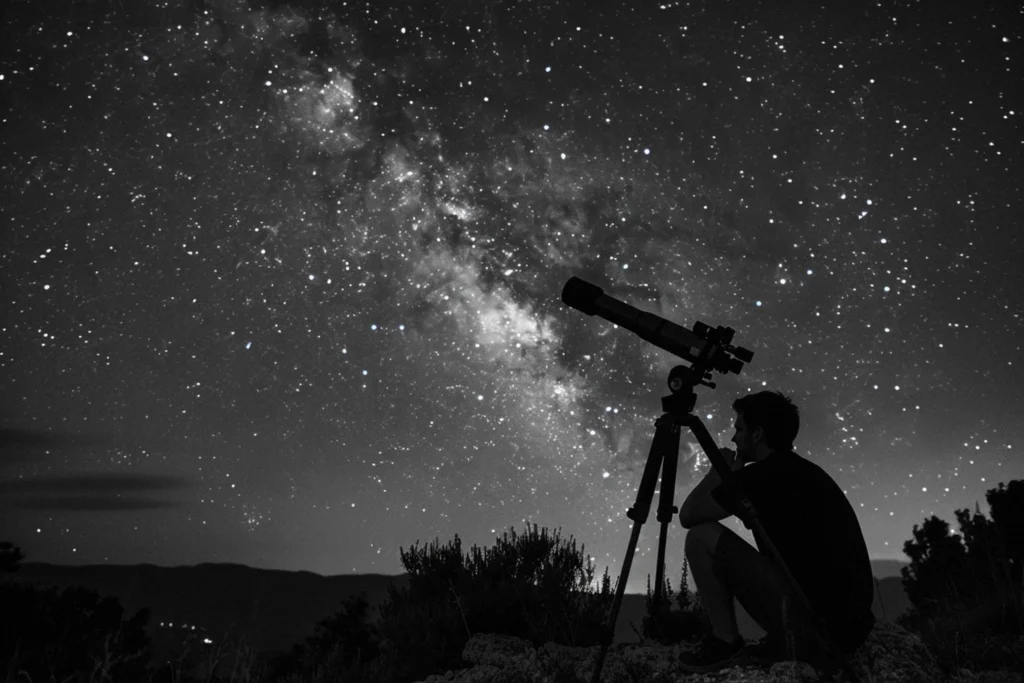
Compare Types of Telescopes
Ready to look up yourself? Find out which telescope type fits your budget and your goals.
Get Started With Your Own Stargazing
You don’t need an observatory to start. You need the right basics and a clear night.
Choosing Your First Telescope
Your first telescope should match your skill level, not your ambition. A simple, well-made model beats a complicated one you won’t set up twice.
Best Times to Observe
Clear, moonless nights away from city lights give you the sharpest views of planets, star clusters, and deep-sky objects.
Tracking What You See
Keep a simple log of what you observe and when. It turns casual stargazing into a habit you’ll actually stick with.
Start Your Astronomy Journey Today
Galileo Galilei changed astronomy with curiosity and a basic lens. You can start the same way tonight.
Browse the guides on this site and take your first real look at the sky.
Students turn to essay services that do my programming homework with human experts for personalized writing assistance that results in well-developed papers tailored to their coursework and deadlines.