
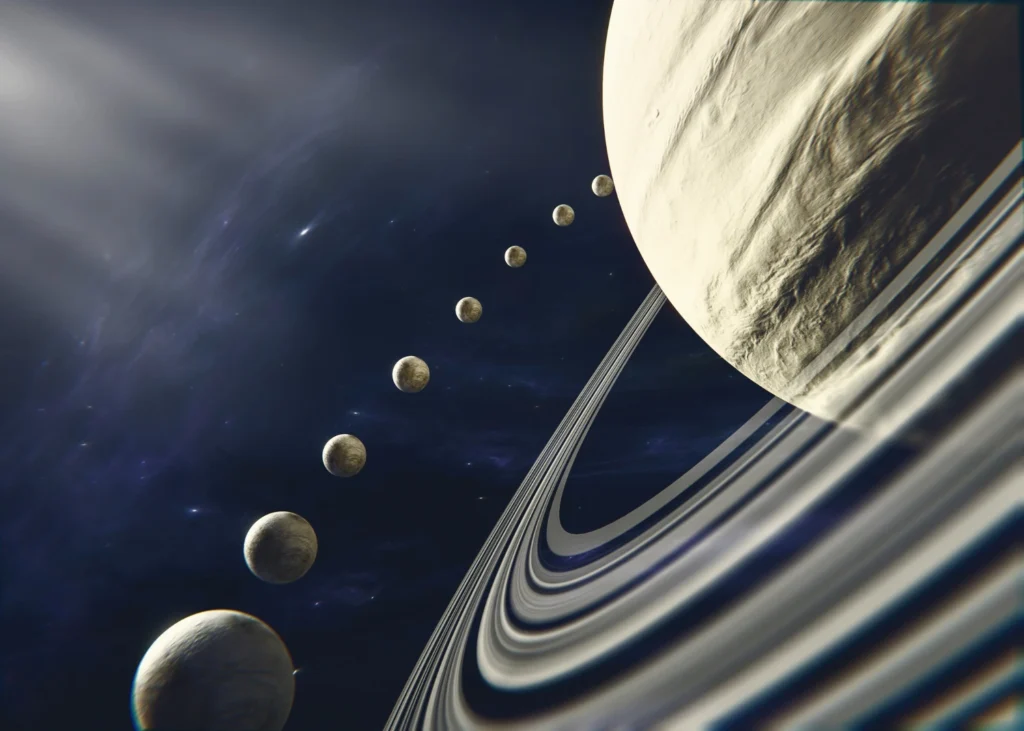
The history of astronomy spans thousands of years, starting long before telescopes, satellites, or even written language.
Every era added a piece to the picture you now take for granted when you look up at night.
This guide walks through the major turning points that built modern astronomy.
Ancient Astronomy and Early Observation
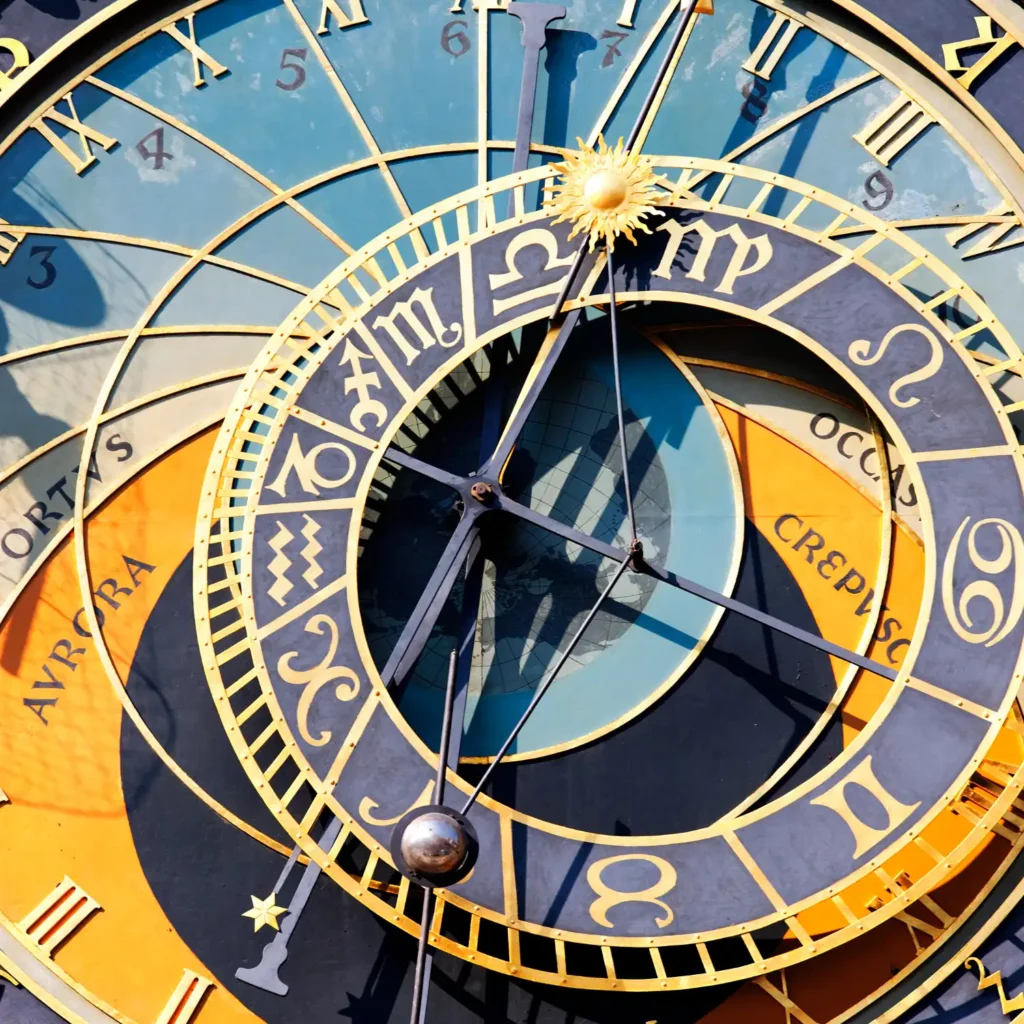
Ancient civilizations tracked the sky for practical reasons long before anyone called it a science.
Farmers needed seasons, sailors needed direction, and early cultures built entire calendars around what they saw overhead.
Babylonian astronomers kept detailed records of planetary movement, while Egyptian builders aligned monuments with specific stars and solstices.
Their observations, made without instruments, still hold up as remarkably accurate given the tools available at the time.
The Scientific Revolution in Astronomy
Everything changed when astronomers stopped simply recording the sky and started questioning the models used to explain it.
Copernicus proposed a Sun-centered solar system, and Galileo’s telescope provided direct evidence that supported it.
Kepler then described the actual shape of planetary orbits, replacing the assumption of perfect circles with mathematically accurate ellipses.
This period marks the point where astronomy shifted from observation alone to observation paired with testable theory.
Modern Astronomy and the Space Age
The twentieth century pushed astronomy beyond what any ground-based telescope could reveal on its own.
Edwin Hubble proved the universe extended far beyond the Milky Way, and radio astronomy opened up entirely new ways to detect distant objects.
Space telescopes eventually removed atmospheric interference altogether, delivering images sharper than anything possible from Earth’s surface.
Astronomy Today and What Comes Next
Modern astronomy now combines ground-based observatories, orbiting telescopes, and international collaboration on a scale earlier astronomers couldn’t have imagined.
Discoveries that once took centuries, like confirming exoplanets or detecting gravitational waves, now happen within a researcher’s career.
The history of astronomy shows a clear pattern: each generation’s tools reveal a universe larger than the one before it understood.
That pattern isn’t finished. If you want to see where it started, revisit this site’s page on famous astronomers who drove each major shift.